
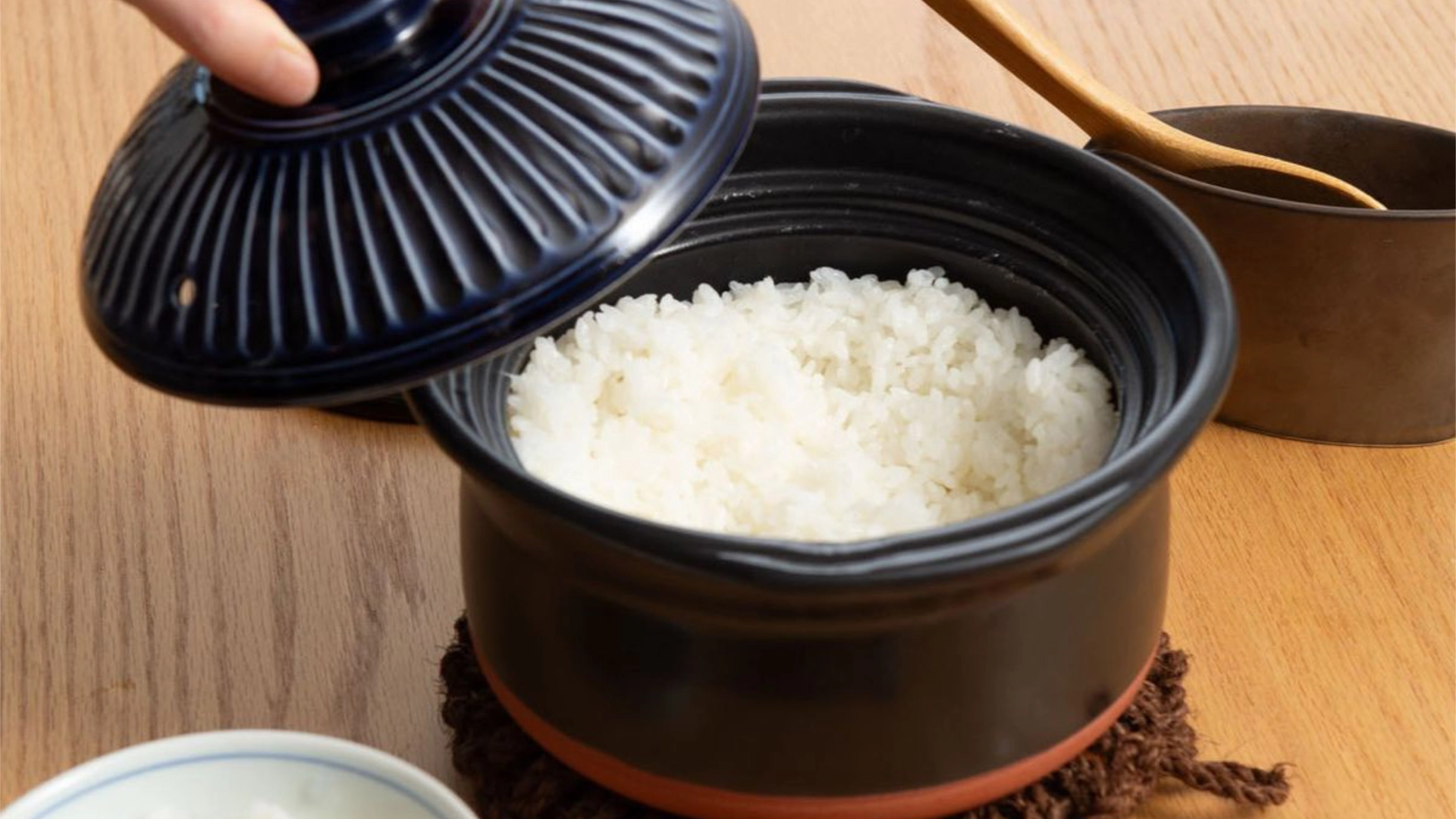
I expected the rice cooker to be a convenience gadget; she treated it more like a normal part of having dinner under control. In the American kitchen, rice often gets treated as the thing that fills out the plate after the main food is handled. In a Japanese home, it is more likely to be the steady center of the meal, even when everything else is modest.
That is where expectation and reality separate. The Japanese wife rice cooker may sound like a small household joke, but the lesson behind it is practical: some habits are not about being particular for no reason. They are systems that make ordinary meals easier to repeat without turning every night into a cooking project.
Why Japanese Rice Tastes Different at Home?
Japanese rice is not just “rice” in the loose American pantry sense. It is usually short-grain or medium-grain rice, with a tender bite and enough stickiness to work with chopsticks, grilled fish, curry, pickles, eggs, and miso soup. The texture is part of the meal, not a lucky outcome.
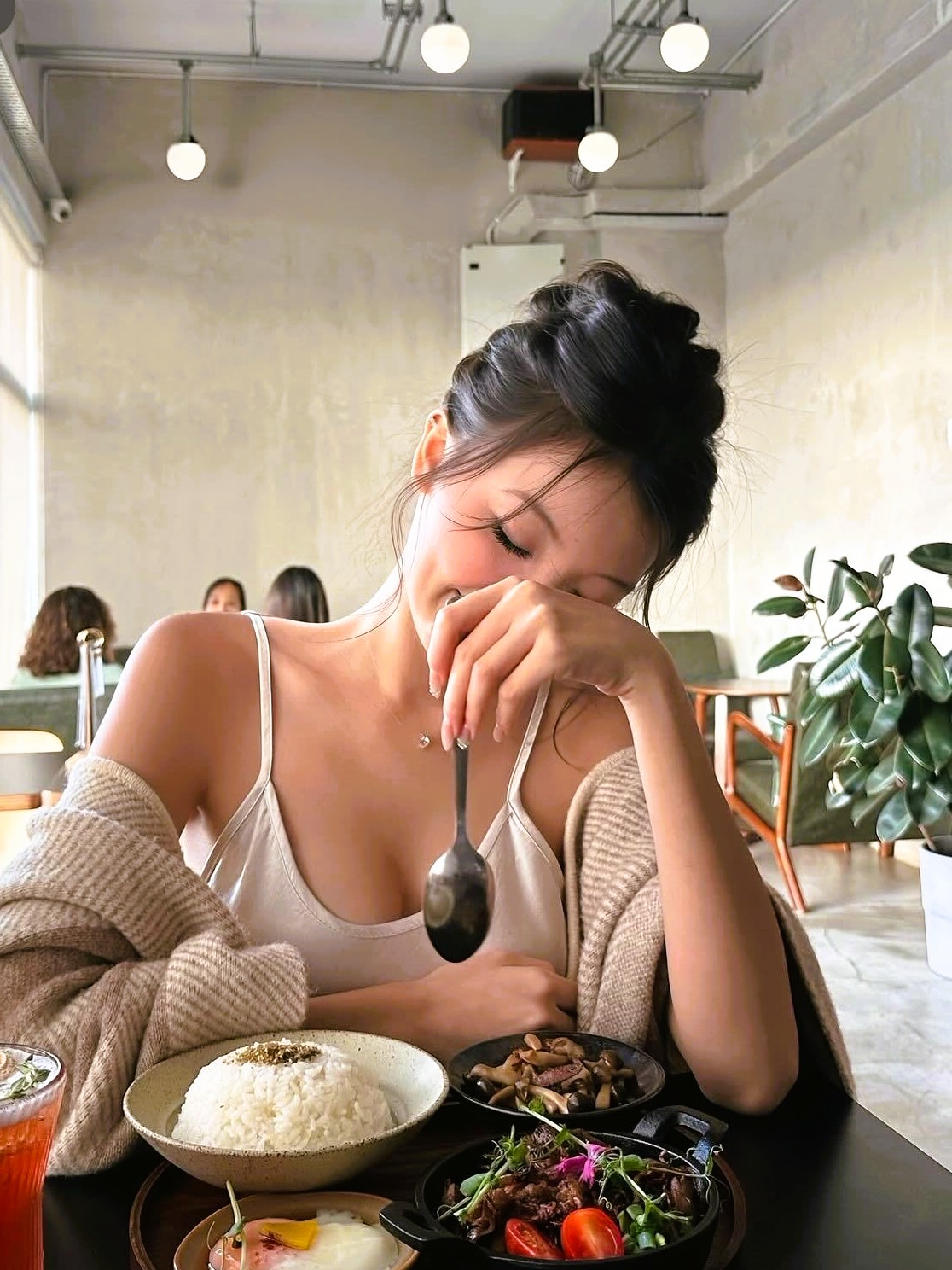
Treating every bag of rice as interchangeable causes a lot of disappointment. Long-grain rice, jasmine rice, basmati, brown rice, and Japanese short-grain rice do not cook the same way. They absorb water differently, release starch differently, and hold heat differently after cooking. A man used to throwing rice into a saucepan may blame the timer, when the grain itself is half the issue.
The washing step also matters. In many Japanese kitchens, rice is rinsed until the water becomes less cloudy, then drained briefly before cooking. That removes excess surface starch and helps the finished rice taste cleaner instead of gummy. It is not a complicated ritual, but it does ask for a little attention before the cooker ever starts.
For someone dating or marrying across cultures, rice is a small but useful signal. What first looks like fussiness may be a learned standard connected to family meals, comfort, and the feeling of a normal home. Rice that tastes “right” can make an unfamiliar kitchen feel less unsettled.
The Small Appliance That Changed Dinner
A rice cooker has a plain job: make rice predictable. That does not sound like much until dinner is happening after work, the sink already has dishes in it, the stove is occupied, and nobody feels like monitoring another pot.
In a Japanese household, the cooker often works in the background. Rice can be washed earlier, water can be measured, and a timer can be set before the evening gets busy. By dinner, the main dish may still need chopping, reheating, or seasoning, but the base of the meal is ready. The night feels less like starting from zero.
The Japanese wife rice cooker point is practical, not cute. She may not be asking for a fancy appliance because it looks nice on the counter. She may be trying to remove the daily friction of guessing water levels, cleaning scorched rice, dealing with boil-overs, or serving grains that are soft outside and firm in the center.
Household tools often expose what each person considers normal. One person sees lost counter space. The other sees reliability. Neither concern is ridiculous. The more useful question is whether the tool earns its place through repeated use, and in a kitchen where rice appears several times a week, a cooker usually does.
What I Misunderstood About Rice Cookers?
A rice cooker is not a confession that someone cannot cook. It is a way to stop spending attention on a task that has to come out right often.
Cooking rice on the stove is perfectly possible. It can also be irritating in small, familiar ways: the heat runs too high, the lid rattles, steam escapes, the bottom scorches, or the rice dries out while everyone waits for the rest of dinner. None of that is dramatic. It is just one more avoidable annoyance attached to a repeated chore.
A decent cooker automates the part people often forget while doing something else. It senses the temperature change after the water has been absorbed and adjusts from cooking to warming. More advanced models handle soaking, timing, and warming with more care, but even a basic model reduces the need to hover nearby.
There is another American misunderstanding: every appliance must do many things to justify its space. Some Japanese home routines are more accepting of a tool that performs one regular task well, especially where kitchens are smaller and clutter is not welcome. This is not minimalism as decoration. It is usefulness tested by daily life.
Good rice also makes simple meals feel complete. Leftover salmon, an egg, natto, sautéed vegetables, curry cubes, or a convenience-store-style topping can become dinner when the rice is warm and properly cooked. Without that base, the same ingredients can feel like loose parts.
Japanese Kitchen Habits That Reduce Daily Stress
Small kitchen routines can carry more weight than they seem to from the outside. In many Japanese homes, the goal is not to create a perfect dinner every night. The goal is to make everyday food repeatable with less mess, less waste, and fewer last-minute decisions.
Portion awareness is one example. Rice is measured with the cup that comes with the cooker, not a random coffee mug pulled from the cabinet. The water lines inside the pot match that measuring system. No one has to remember a ratio while tired or argue about whether the last batch was too wet.
Cleaning is usually folded into the routine rather than treated as a separate project. The inner pot gets washed after use. The steam vent is checked. The rice paddle is rinsed before starch dries into a hard layer. These details are not exciting, but they keep the appliance from becoming another sticky object sitting on the counter.
- Measure rice with the cooker cup, not a standard American measuring cup.
- Rinse short-grain rice gently until the water is less cloudy.
- Let the cooker finish its cycle before opening the lid too early.
- Fluff the rice after cooking so steam can distribute evenly.
- Move leftovers into a container instead of leaving rice on warm all night.
Anyone studying international dating carefully can learn from these ordinary habits. Domestic expectations are not always announced as values. A partner may never say, “I care about order and repeatable routines.” She may simply rinse the rice in a certain way and expect the paddle not to be left crusted over in the sink.
Those expectations can become friction when they are brushed off. Treated as information, they can also become part of a shared rhythm.
How Rice Cooker Meals Save Weeknights?
Contrast shows up most clearly on a weeknight. A dinner plan that requires three pans and steady focus may fall apart by Wednesday. A bowl of rice with one warm topping often survives the day just fine.
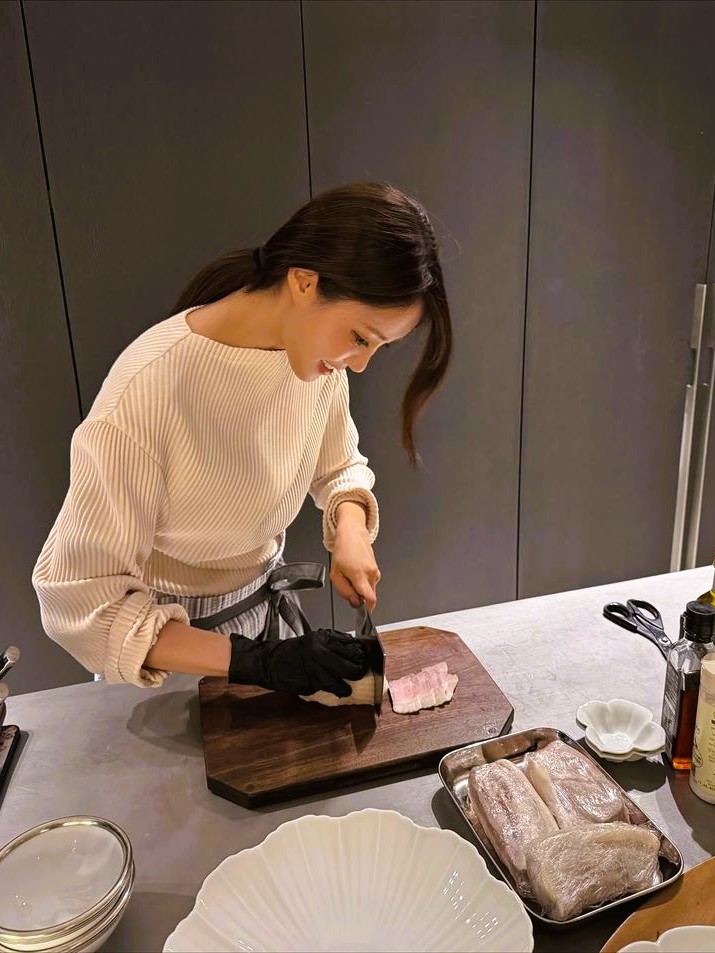
The cooker gives the meal an anchor. Japanese curry over rice can come from boxed roux, onions, carrots, potatoes, and whatever protein is available. Donburi can be made with egg and onion simmered in a quick soy-based sauce. Rice with canned tuna, cucumber, mayonnaise, and a little soy sauce will not impress a restaurant critic, but it is exactly the kind of food tired people actually make.
Mixed rice dishes are another practical use, depending on the model. Some cookers can handle rice with mushrooms, carrots, chicken, or seasonings, as long as the pot is not overloaded and the manual is respected. The useful part is that dinner no longer depends on producing a perfect main dish. The rice already provides warmth and structure.
There are limits worth knowing. Fried rice is usually better with day-old rice, not fresh soft rice from the cooker. Sushi rice still needs seasoning and cooling. Brown rice needs a cooker that handles it well, or at least a longer soak. The appliance helps, but it does not change the character of the grain.
For a couple, the weeknight benefit is not only about food. Fewer small arguments start when there is an easy dinner path. Hungry people are rarely at their most patient or generous.
When Convenience Starts Feeling Like Care?
A calm warning belongs here: not every household preference should be turned into cultural wisdom. Sometimes a rice cooker is just a rice cooker. Still, convenience can start to feel like care when it quietly solves the same problem over and over.
In cross-cultural relationships, care often appears through practical habits before it appears through big statements. One person remembers how the other takes coffee. Someone notices the rice bag is almost empty. The kitchen is arranged so the person cooking most often is not fighting the layout every night. None of this is theatrical, but it counts.
The appliance itself is neutral. The agreement around it changes the mood. If one partner keeps insisting the cooker is unnecessary while the other uses it constantly, the conversation is no longer only about rice. It is about whose experience is taken seriously at home.
That is especially relevant for a man researching international dating with serious intentions. Marriage across cultures is not only about attraction, travel, visas, or family approval. It is also about respecting daily preferences without turning every difference into a debate. For a wider look at why the ordinary parts of partnership deserve attention, this connects naturally with why relationships matter after the early excitement fades.
Care can be as plain as warm rice waiting when dinner runs late. It may not look impressive from the outside. It is still better than another delivery order eaten in a tense kitchen.
Trusting Her Instincts Changed Our Routine
Some domestic instincts come from repetition rather than theory. A Japanese woman who grew up around rice cookers may not feel the need to build a long case for owning one. She has likely seen the tool work in apartments, family homes, rushed mornings, packed lunches, and late dinners.
The practical move for an American partner is curiosity before resistance. Ask how often rice will realistically be cooked. Ask where the cooker would sit. Ask what kind of rice she prefers. Ask whether the warm function matters or whether a simple model would be enough. Those questions keep the discussion grounded instead of turning it into a vague argument about habits.
Once the cooker is in use, the change may reach beyond dinner. Leftover rice can make breakfast easier with tamago kake gohan, ochazuke, or a quick bowl alongside miso soup. Lunch packing becomes less involved. Dinner can be assembled from small dishes rather than built around one large centerpiece.
That shift may challenge the familiar American idea that dinner needs a main protein, a starch, and a vegetable arranged like a restaurant plate. A Japanese-style home meal can be smaller and more modular: rice, soup, pickles, grilled fish, tofu, greens, or leftovers in little portions. The rice cooker makes that pattern realistic on an ordinary night.
None of this requires imitating Japanese life as a performance. It requires noticing when a partner’s habit solves a real problem better than the familiar method.
Choosing a Rice Cooker You’ll Actually Use
The most useful rice cooker is not automatically the most expensive one. It is the one that fits the kitchen, the household size, and the way rice will actually be eaten.
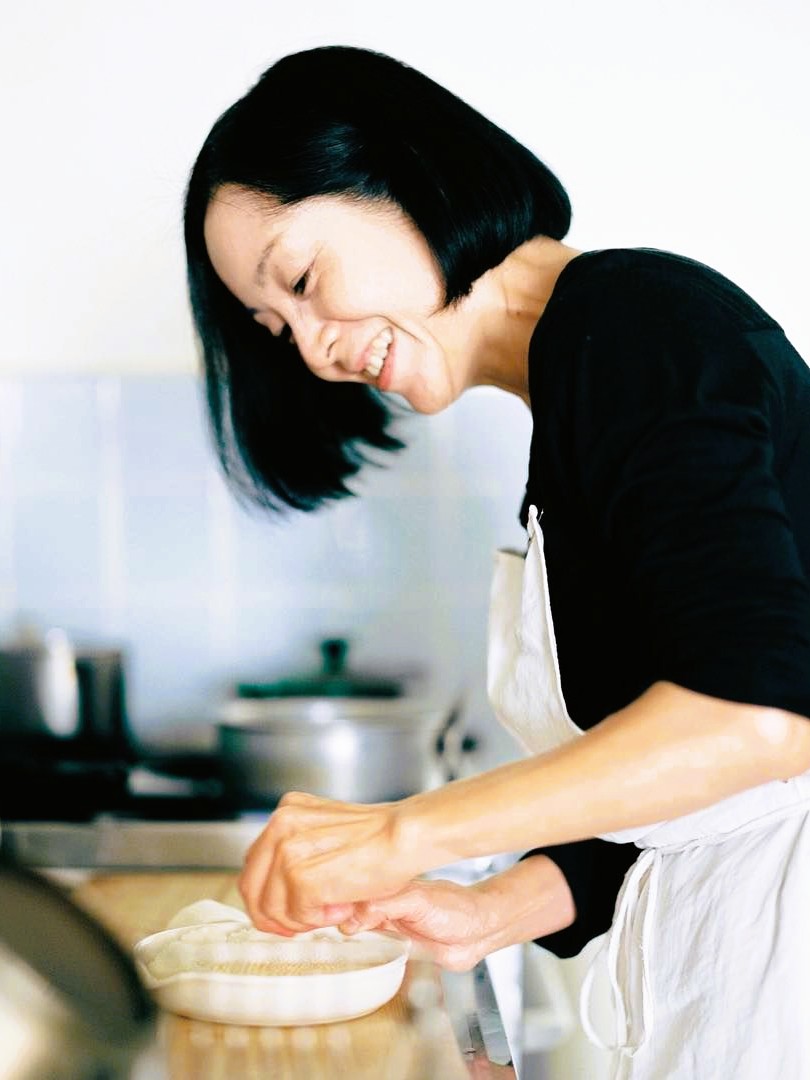
Capacity comes first. A three-cup cooker can work well for one or two people in an apartment. A five-and-a-half-cup model gives couples more flexibility, especially when extra rice is cooked for lunch. A ten-cup cooker makes sense for families or batch cooking, but it takes more space and can feel oversized for normal weekday use.
Heating style is the next decision. Basic models use a simple heating plate and can do a fine job with white rice. Micom models use computerized settings and usually manage timing more precisely. Induction heating models tend to cook more evenly, though the price rises. Pressure models can improve texture for certain grains, but they also add complexity.
Practical buying checks
- Choose a size based on cooked rice habits, not the biggest sale model.
- Check whether the inner pot feels sturdy and easy to wash.
- Look for a removable steam vent if cleaning matters to the household.
- Confirm settings for white rice, brown rice, porridge, or mixed rice if those will be used.
- Measure the counter or cabinet space before buying.
Brand loyalty is common with Japanese appliances, especially names like Zojirushi, Tiger, and Panasonic. The label still should not make the whole decision. After a month, a clear display, a sensible handle, and an inner pot that is not annoying to wash may matter more than a premium feature nobody uses.
Kitchen tools may seem like a small subject for men comparing life in the United States with dating and marriage expectations abroad. Inside a shared home, they are not that small. The same practical mindset applies to dating culture, where assumptions can create avoidable friction. A grounded look at dating in the USA can help put those differences in context without turning them into stereotypes.
The final test is simple: will the cooker make the meals actually eaten at home easier? If the answer is yes, it has earned its place.
A rice cooker will not repair a relationship, create cultural fluency by itself, or turn a rushed weeknight into a quiet movie scene. It can remove one repeated annoyance and support a meal pattern that matters to someone in the home. Start with the practical steps: buy the right rice, rinse it properly, measure with the cooker cup, and make one ordinary dinner before judging the habit.